
Pickleball Parties That Keep Everyone Playing
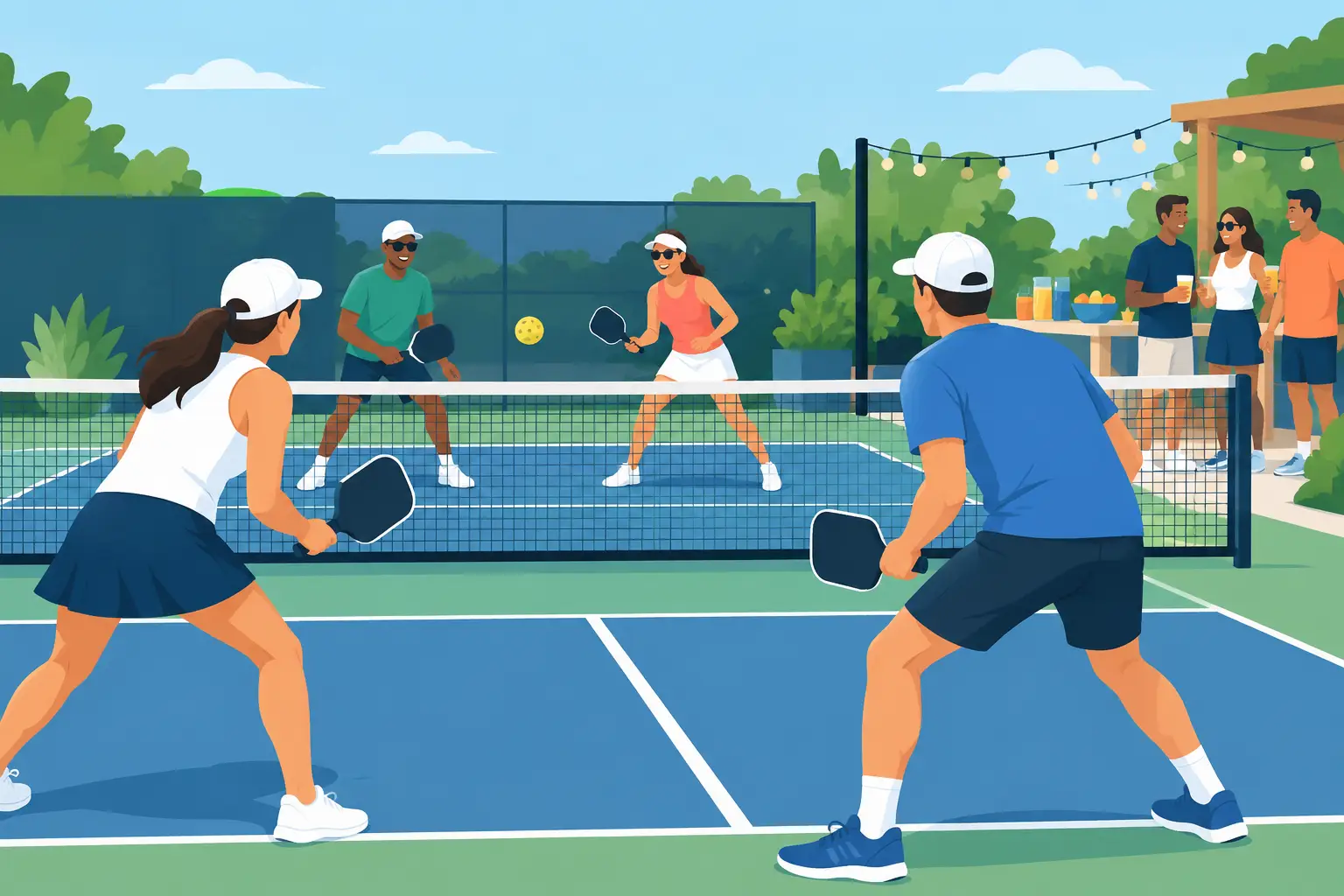
A great party does not need a complicated schedule. Give guests a paddle, a few pickleballs, a court, and room to cheer each other on, and the fun starts quickly. That is why pickleball parties are such a smart choice for birthdays, family get-togethers, team celebrations, and friend groups looking for something more active than sitting around a table.
Pickleball is easy to learn, fast enough to stay exciting, and flexible for mixed ages and skill levels. The best parties are not built around serious competition. They are built around keeping everyone involved, comfortable, and ready for the next game.
Why Pickleball Parties Work So Well
Pickleball has a low barrier to entry. Guests do not need years of experience, expensive gear, or a perfect serve to enjoy themselves. A quick explanation of the basic rules is usually enough to get beginners playing within minutes.
It also gives a party a natural rhythm. Guests can play a game, take a break for food, watch the next matchup, and jump back in later. That is especially helpful for kids birthday parties, where too much waiting can lead to restless guests, and for adult groups that want time to visit without losing the energy of the event.
The key is keeping the atmosphere light. Let the experienced players help newcomers, celebrate funny shots, and avoid turning every game into a championship match. A little friendly competition is fun. A party where half the group feels intimidated is not.
Start With the Right Group Size and Court Plan
Before sending invitations, think about how many people can comfortably play at one time. Four players are on the court for doubles, but a party can still work well with a larger group when games are kept short and substitutions are simple.
For a smaller group of eight to 12 guests, rotate teams after each game or play to seven points instead of the traditional 11. This keeps the line moving and gives everyone plenty of court time. For a bigger gathering, set up a clear rotation order so guests know when they are up next. A dry-erase board, simple sign-up sheet, or numbered paddles can prevent confusion.
If your guests are mostly beginners, doubles is the best format. Each player covers less court, partners can help each other, and games feel less overwhelming. Singles can be a fun option for older kids, teens, or athletic adults who want an extra challenge, but it takes more energy and leaves more people waiting.
Keep Rules Simple for Beginners
You do not need a long rules lesson before the first game. Explain the basics: serve underhand, let the return bounce, and stay out of the kitchen unless the ball bounces there first. Then start playing.
For a birthday party, it is perfectly fine to simplify further. You can skip detailed scoring at first, allow a second serve for younger players, or play rally scoring so every point feels easy to follow. The goal is participation, not perfection.
Have a few paddles available in different sizes if children are attending. Lightweight paddles are easier for younger players to control. Keep extra pickleballs nearby too, because games move faster when no one is hunting for a ball under a chair.
Easy Game Ideas for a Party Crowd
Standard doubles games are reliable, but adding a few casual formats helps the party feel special. Choose one or two ideas rather than trying to pack the day with activities.
King or Queen of the Court works well when guests want lots of quick games. The winning pair stays on the court while a new team comes in. Keep games short, such as first team to five points, so everyone gets a turn.
For younger guests, try a target challenge. Place buckets, cones, or hula hoops on the opposite side of the court and let players earn points by landing the ball near a target. It is a fun way to practice without requiring a full game.
A family tournament can be great for reunions or multi-family groups. Pair adults with kids, siblings together, or guests who have not met yet. Keep the bracket loose and give playful awards such as Best Rally, Most Improved, or Loudest Cheer Section. Small prizes are optional. The recognition and laughter usually matter more.
If some guests would rather watch than play, give them a role. They can keep score, announce the next teams, choose music, or serve as judges for a trick-shot challenge. Nobody should feel like they came to a party only to sit on the sidelines.
Build in Food, Breaks, and a Comfortable Place to Gather
Pickleball gets people moving, so party food should be easy to grab between games. Think pizza, sandwiches, fruit, pretzels, vegetables and dip, or a snack table with plenty of water. For a kids party, individual snacks can make serving easier and reduce cleanup.
Avoid planning the meal for the exact middle of the action if your group is excited to play. Put out drinks and simple snacks first, let guests get a few games in, then call everyone together for pizza, cake, or a meal break. Afterward, people can return to the court at their own pace.
A separate seating area matters just as much as the court. Parents may want a comfortable place to talk while kids play. Grandparents may enjoy watching the action without standing for long periods. Friends need room to relax, eat, and catch up between rounds.
For a birthday, save cake and gifts for a natural pause. After the first hour of play often works well. It gives late arrivals time to settle in and prevents a room full of excited kids from rushing through the celebration before everyone has had a chance to participate.
Indoor Pickleball Makes Planning Easier
Outdoor courts can be a great option when the weather cooperates. But rain, wind, high heat, and cold temperatures can turn a carefully planned gathering into a scramble. An indoor court gives you more control over the day and lets the party continue no matter what the forecast says.
That is especially valuable in Northern Indiana, where weather can change quickly. Indoor pickleball parties make sense for winter birthdays, spring break visits, rainy weekend plans, and groups who simply do not want to watch the sky all day.
At Wiseman House, groups can enjoy an indoor basketball and pickleball court as part of a full private-house experience, with room to play, gather, eat, and relax under one roof. For families planning a celebration, that combination can take away the usual challenge of coordinating a venue, activity, and space for guests to spend time together.
When choosing an indoor location, confirm what is included. Ask about paddles, balls, court access, seating, food arrangements, and whether there is enough room for guests who are not actively playing. A great court is important, but a great party also needs breathing room.
Make the Party Feel Welcoming for Every Guest
Not every guest will arrive ready to play a full game. Some may be new to pickleball, recovering from an injury, bringing younger children, or simply more interested in the social side of the event. Make it clear in the invitation that all experience levels are welcome.
A simple note such as “Come play or cheer from the sidelines” sets the right expectation. Guests should feel free to join one game, play all afternoon, or relax with food and conversation. This is one of the biggest advantages of hosting around an activity like pickleball: there is always something happening, but no one has to perform.
For kids, plan a few minutes of warm-up time before organized games begin. Let them hit balls, practice serving, and get familiar with the court. For adults, consider mixing teams throughout the event so stronger players are not grouped together all day.
Safety is part of good hosting, too. Encourage athletic shoes with non-marking soles, keep bags and drinks away from the playing area, and remind players to call “ball” if a stray pickleball rolls onto the court. These small details help everyone relax and enjoy the game.
A Party Guests Will Talk About Later
The best pickleball parties are not the ones with the most rules, decorations, or prizes. They are the ones where guests leave saying they had more fun than they expected. Keep the games moving, make space for breaks, and give every person an easy way to join in. With a comfortable place to gather and a court ready for play, your next celebration can feel active, easy, and genuinely memorable.